05.
A real conversation about what you’re building — wherever you are.
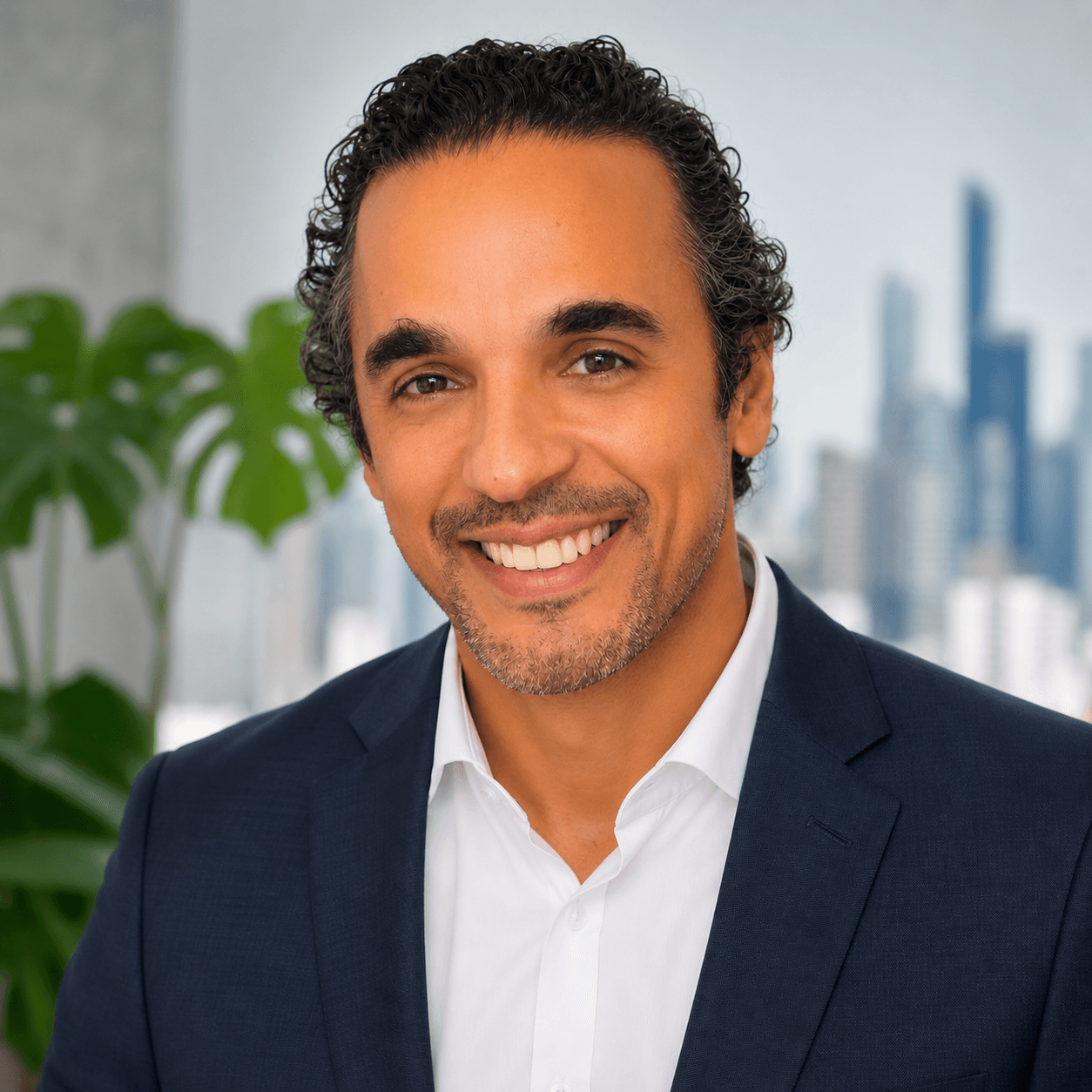
I've been building in tech since 2015 — but everything before that still shows up in how I build.
New York - Remote - Global
Before I built systems, I worked inside them. Years of hospitality in New York has taught me what it feels like when a process breaks in real time and someone has to absorb the consequences, often in front of a room full of people who don't care why. Training as an air traffic controller in Trinidad and working the Caribbean airspace taught me what precision actually costs and how much attention it takes to keep something safe when the margin for error is small. Construction taught me coordination: how many moving parts have to align for a single day's work to hold together. Film production taught me what happens when the plan and the reality stop matching, and how fast things unravel when the infrastructure isn't built for the actual conditions on the ground.
I carry that into how I build. At Lukco, I design automation and CRM systems for businesses, NGOs, and research teams - mainly working across Airtable, n8n, Supabase, and GoHighLevel — and the standard I hold the work to isn't whether it looks clean in a demo. It's whether it holds up on a hard day, when things are moving fast and nobody has time to babysit the software.
I'm also genuinely interested in how people function at their best — attention, flow, cognitive load, the conditions under which work stops feeling like friction. Training with the Flow Research Collective gave me a framework for this, and it shapes a lot of the smaller decisions in system design: what to automate, what to simplify, what to remove so people can actually focus on the parts of the work that need them.
A few things I try to hold to at Lukco: data sovereignty, real human oversight rather than the appearance of it, systems that support people's judgment instead of replacing it, and digital education — because protecting people online means as much through what they understand as what any system does for them. The more of life moves online, the more everyone — a business, an NGO, a research team, an individual — needs something like a ground control for their own digital world: a place that watches what matters, protects what's vulnerable, and gives a clear read on what's actually happening. That's part of where I'm building Lukco toward. Technology isn't neutral, and I try not to build like it is. The goal is infrastructure that's solid enough to trust and quiet enough that you forget it's there — so you can move quickly without ever losing track of where you are.
Automation handles the repetitive. Humans handle the judgment. I build systems that know the difference.
Your data belongs to you. Everything I build is portable, exportable, and owned outright. No proprietary lock-in.
Systems should reduce friction, not create it. Every interface and workflow is designed to support deep focus, not interrupt it.
Cyber threats are real and growing. Data safety, access control, and threat awareness are built into every system from the start